August is here, and with it comes one of the most exciting, stressful, and chaotic rites of passage: college move-in day. You’ve wisely decided to skip the logistical nightmare of trying to cram a mini-fridge, a bookshelf, and a semester’s worth of supplies into the back of an SUV. Instead, you’re hitching up your utility or enclosed trailer, ready to haul the entire dorm room in one go. This is a smart move. But it’s also a high-stakes one.
Moving a student to college isn’t like hauling a load of mulch or taking brush to the dump. A dorm room move involves a payload of awkward, heavy, and sharp-edged items. Think metal desk legs, the corners of that mini-fridge, and the unforgiving casters on the bottom of a desk chair. This specific cargo is uniquely destructive to your trailer’s interior.
The most vulnerable part of your trailer is its bed. A single, poorly-loaded fridge can leave a deep gouge or scrape the paint right off, opening the door for rust and long-term rot. Protecting your investment starts from the floor up, which is why a high-quality trailer bed liner is the non-negotiable foundation for this kind of job.
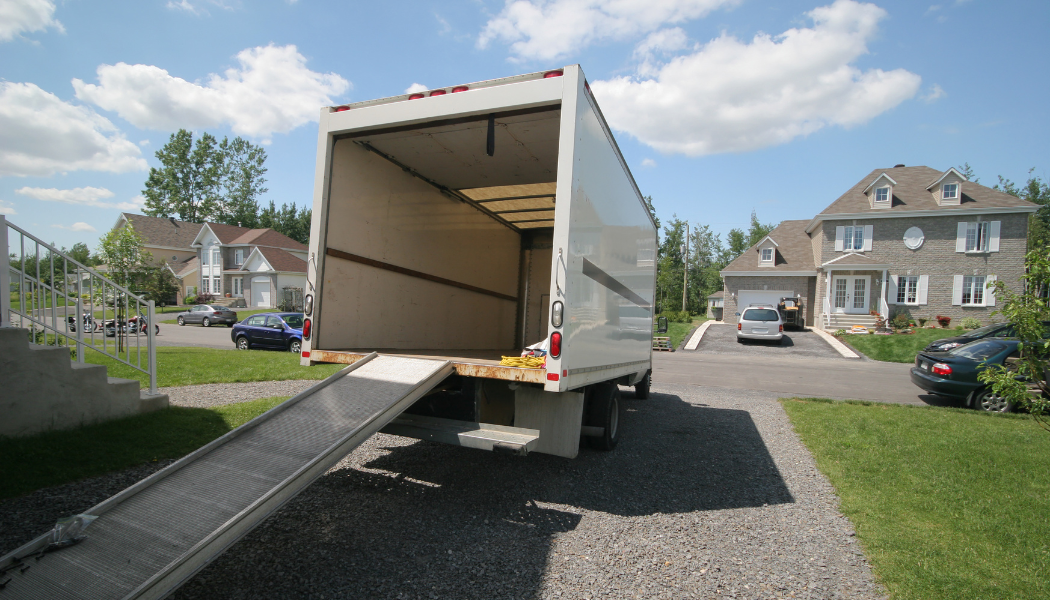
A little prep work is the key to ensuring your trailer (and your student’s stuff) arrives in one piece, saving you from a costly repair bill.
The Foundation: Protect the Trailer Bed First
The floor of your trailer is its most critical structural element. It’s also the first thing that will get destroyed by a dorm room move.
Think about the items you’re hauling. That 75-pound mini-fridge will be vibrating and shifting for hours on the highway. The sharp, metal corners of a bed frame or a cheap particle-board desk are like little knives, waiting to gouge and scrape the paint or wood of your trailer bed. Once that protective surface is breached, water and road salt can get in, leading to rust, rot, and a dramatically shortened lifespan for your trailer.
Your defense strategy starts here:
- Avoid Flimsy Solutions: Your first instinct might be to just throw down an old blue poly-tarp or a few sheets of cardboard. This is a mistake. These materials will bunch up, slide, and tear almost immediately, offering zero real impact protection.
- The Power of a Real Liner: A professional, drop-in liner is designed for this. It’s a single, durable piece that absorbs impacts from sharp corners and prevents cargo from sliding around. A slick-surfaced liner also makes the move-out day much easier, allowing you to slide heavy boxes out without snagging.
- The DIY Option: If a permanent liner isn’t an option, your next best bet is to get a few sheets of 3/4″ plywood cut to the exact dimensions of your trailer bed. This is a temporary, heavy-duty solution that will at least distribute the weight and take the scratches instead of your trailer floor.
The Load: How to Pack for Stability and Safety
A poorly loaded trailer is not just a risk to your belongings; it’s a major safety hazard on the road. An unbalanced load can cause dangerous trailer sway, which can lead to a total loss of control.
The 60/40 Rule is your best friend:
- Place approximately 60% of your total cargo weight in the front half of the trailer (the half closest to your tow vehicle).
- Place the remaining 40% of the weight in the back half.
- Center your heaviest items from left to right.
For a dorm move, this means the heavy items (the mini-fridge, the microwave, and those heartbreakingly heavy boxes of books) should be loaded first and placed over or just slightly in front of the trailer’s axle. The lighter, bulkier items (like bedding, clothing, and pillows) can be used to fill in the gaps and the rear of the trailer.
The Padding: Protect the Stuff from the Stuff
Once you have your heavy items in place, your next priority is preventing all your new and old items from destroying each other. That new wooden desk will not survive a 100-mile highway trip vibrating against a metal bed frame.
- Use Your Bedding: Don’t waste space by packing blankets and comforters in boxes. Use them as free, high-quality moving pads. Wrap them around the fridge, the headboard, and the desk.
- Wrap the Legs: Use old towels or bubble wrap to wrap the legs of chairs and desks.
- Box Everything: It’s tempting to just toss loose items into the trailer. Don’t. Every loose item is a potential projectile. A well-packed, taped, and labeled box is safer and infinitely easier to unload.
The Cover: Protection from Weather and Wind
You’ve created a perfectly balanced, well-padded load. Your last step is to protect it from the two final enemies of move-in day: a sudden rainstorm and 70-mph highway winds.
- Ditch the Blue Tarp: The cheap, blue poly-tarp from the hardware store is fine for covering a woodpile. It will not survive a highway trip. The wind will whip it, snap it, and tear it to shreds in less than an hour, leaving your cargo completely exposed.
- Invest in a Real Tarp System: A heavy-duty, ripstop vinyl tarp or a custom-fitted cover is the only professional solution.
- Use Ratchet Straps, Not Bungee Cords: Bungee cords are only for holding a light tarp down. They are not for securing cargo. A 50-pound box will snap a bungee cord in a panic stop. You need heavy-duty ratchet straps. Use at least two straps, laid across the top of your entire load and cinched down tight.
The Arrival: Protect Your Trailer from Theft
You’ve made it to the campus. You’ve found a parking spot a half-mile from the dorm. Now you are about to face the single biggest risk to your trailer: theft.
Move-in day is a chaotic, target-rich environment. You and your family will be away from your trailer for long, 30-minute stretches as you haul boxes and wait for the elevator. An uncovered, unattended trailer is a buffet for an opportunistic thief.
- Lock It Down: A high-quality, visible hitch lock (or coupler lock) is non-negotiable. This prevents someone from simply hitching your entire trailer to their truck and driving away.
- Conceal Your Cargo: This is another reason a high-quality, opaque tarp is so important. A thief is far less likely to target a covered trailer when there are easier, uncovered ones all over the parking lot.
- Park Smart: If possible, try to park in a way that blocks the rear gate of the trailer, such as backing it up close to a light pole, a wall, or a tree.
College move-in day is a stressful marathon. But by taking these simple, proactive steps, you can ensure that your trailer—and your student’s new life—both get off to a great, damage-free start.
